

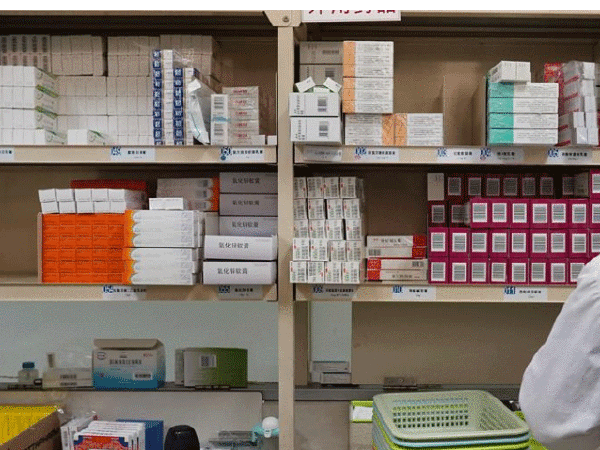
WHO’s Essential Medicines List and List of Essential Diagnostics are core guidance documents that help countries prioritize critical health products that should be widely available and affordable throughout health systems.
Published today, the two lists focus on cancer and other global health challenges, with an emphasis on effective solutions, smart prioritization, and optimal access for patients.
“Around the world, more than 150 countries use WHO’s Essential Medicines List to guide decisions about which medicines represent the best value for money, based on evidence and health impact,” said WHO Director-General Dr Tedros Adhanom Ghebreyesus. “The inclusion in this list of some of the newest and most advanced cancer drugs is a strong statement that everyone deserves access to these life-saving medicines, not just those who can afford them.”
Cancer treatments: While several new cancer treatments have been marketed in recent years, only a few deliver sufficient therapeutic benefits to be considered essential. The 12 medicines WHO added to the new Medicines List for five cancer therapies are regarded as the best in terms of survival rates to treat melanoma, lung, prostate, multiple myeloma and leukemias cancers.
For example, two recently developed immunotherapies (nivolumab and pembrolizumab) have delivered up to 50% survival rates for advanced melanoma, a cancer that until recently was incurable.
Antibiotics: The Essential Medicines Committee strengthened advice on antibiotic use by updating the AWARE categories, which indicate which antibiotics to use for the most common and serious infections to achieve better treatment outcomes and reduce the risk of antimicrobial resistance. The committee recommended that three new antibiotics for the treatment of multi-drug resistant infections be added as essential.
Other updates to the medicines list include:
- New oral anticoagulants to prevent stroke as an alternative to warfarin for atrial fibrillation and treatment of deep vein thrombosis. These are particularly advantageous for low-income countries as, unlike warfarin, they do not require regular monitoring;
- Biologics and their respective biosimilars for chronic inflammatory conditions such as rheumatoid arthritis and inflammatory bowel diseases;
- Heat-stable carbetocin for the prevention of postpartum haemorrhage. This new formulation has similar effects to oxytocin, the current standard therapy, but offers advantages for tropical countries as it does not require refrigeration;
Not all submissions to the EML Committee are included in the list. For example, medicines for multiple sclerosis submitted for inclusion were not listed. The Committee noted that some relevant therapeutic options currently marketed in many countries were not included in the submissions; it will welcome a revised application with all relevant available options. The EML Committee also did not recommend including methylphenidate, a medicine for attention deficit hyperactivity disorder (ADHD), as the committee found uncertainties in the estimates of benefit.